-
Shop
- AI Skills Mastery 2026 Collection
- Beauty Guides Collection
- Best-Sellers
- Car Accessories
- Dating & Social Skills
- Digital Resources
- Beauty
- Budgeting & Saving
- Car Buying & Ownership
- Cozy Feast Collection
- Dating & Social Confidence
- Electronics & Technology
- Emotional Intelligence
- Entrepreneurship & Business Growth
- Financial Independence
- Financial Mindset & Psychology
- Goal Setting
- Halloween Digital Collection
- Hobbies
- Home Styling & Organization
- Kitchen & Cooking
- Leadership
- Mindfulness
- Motivation
- Nutrition & Healthy Eating
- Parenting & Child Development
- Personal Style & Fashion
- Positive Thinking
- Productivity
- Self Confidence
- Sleep Improvement
- Smart Amazon Shopping
- Smart Black Friday Shopping
- Smart Life with AI
- Stress Management & Relaxation
- Thanksgiving Digital Collection
- Travel & Adventure
- Travel Planning
- Wellness & Self-Care
- Yoga & Mind-Body Practices
- Easter
- Education & Learning
- Family & Parenting
- Fashion
- Fashion Accessories
- Financial Education
- Fitness & Yoga Guides
- Gadgets
- Gift Guide Collection
- Gifts
- Health & Beauty
- Health & Wellness
- Home & Garden
- Home Supplies
- Kids & Babies
- Kitchen
- Mindset
- Online Business for Beginners
- Parenting Guides Collection
- Personal Growth
- Pet Care
- Pet Lifestyle & Wellness
- Pets
- Smart Home Living Guides
- Sport & Outdoors
- Stress Relief & Relaxation
- Super Deals
- TikTok Growth & Monetization Mastery
- Travel
- Valentine’s Day Inspiration
- Wealth
- Wealth Building
- Winter Fashion
- Women’s Wellness & Lifestyle
- YouTube Shorts Best-Sellers
- Popular
- Best deals
Best Beginner Reptile: Why Leopard Geckos Stand Out
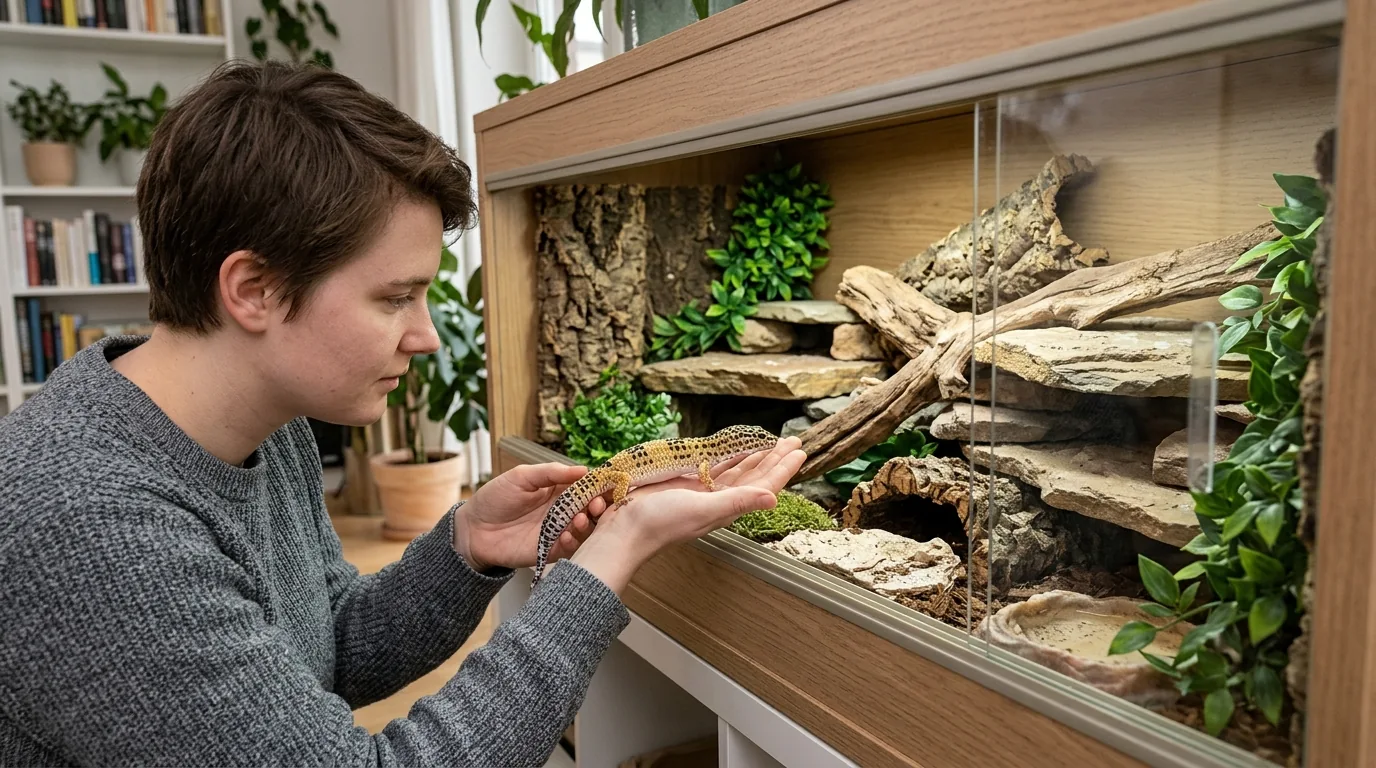
What is the best reptile to start out with for beginners?
A leopard gecko is often a good first reptile for a beginner who wants a small, calm pet with a manageable daily routine. They’re generally hardy when their habitat and diet are properly maintained, and their adult size makes them easier to house than many larger reptiles. Still, they need specialized care—not just a tank and occasional feeding.
What makes leopard geckos beginner-friendly?
Leopard geckos are usually kept on their own, so you don’t need to manage a group. They eat readily available live insects, and their quiet nature can make them enjoyable to observe. Many live for 10 years or longer, however, so bringing one home is a long-term commitment.
What care do they need?
Set up the enclosure before adopting your gecko. It should have a secure lid, a warm-to-cool temperature gradient, suitable hides, and a humid hide to support shedding. Use reliable thermometers and a thermostat-controlled heat source, and check current reptile-care guidance for appropriate temperatures and UVB lighting. Feed a varied selection of appropriately sized, gut-loaded insects, with supplements as directed by a reptile veterinarian.
Clean the enclosure regularly and keep fresh water available. A reptile-experienced veterinarian can help you confirm the habitat, feeding plan, and health needs. Avoid handling a new gecko frequently while it settles in, and supervise gentle handling once it is acclimated.
Are other reptiles good options?
Corn snakes can suit beginners who are comfortable feeding frozen-thawed rodents and providing a secure enclosure. Bearded dragons are another popular choice, but they need more space and careful attention to lighting and diet. The best fit depends on your comfort with feeding, setup costs, and the time you can commit.
Use this reptile starter checklist and care planner to prepare your setup before choosing a pet.
FAQ
What supplies do you need before bringing home a leopard gecko?
Prepare a secure enclosure, a thermostat-controlled heat source, thermometers, hides, substrate, a water dish, and supplies for feeding and supplementing insects. Have the habitat running and verify its temperatures before bringing your gecko home.
Recommended for you



Reptile Lover Gift Ideas That Support Their Hobby
Sep 24, 2026














Leave a comment