-
Shop
- AI Skills Mastery 2026 Collection
- Beauty Guides Collection
- Best-Sellers
- Car Accessories
- Dating & Social Skills
- Digital Resources
- Beauty
- Budgeting & Saving
- Car Buying & Ownership
- Cozy Feast Collection
- Dating & Social Confidence
- Electronics & Technology
- Emotional Intelligence
- Entrepreneurship & Business Growth
- Financial Independence
- Financial Mindset & Psychology
- Goal Setting
- Halloween Digital Collection
- Hobbies
- Home Styling & Organization
- Kitchen & Cooking
- Leadership
- Mindfulness
- Motivation
- Nutrition & Healthy Eating
- Parenting & Child Development
- Personal Style & Fashion
- Positive Thinking
- Productivity
- Self Confidence
- Sleep Improvement
- Smart Amazon Shopping
- Smart Black Friday Shopping
- Smart Life with AI
- Stress Management & Relaxation
- Thanksgiving Digital Collection
- Travel & Adventure
- Travel Planning
- Wellness & Self-Care
- Yoga & Mind-Body Practices
- Easter
- Education & Learning
- Family & Parenting
- Fashion
- Fashion Accessories
- Financial Education
- Fitness & Yoga Guides
- Gadgets
- Gift Guide Collection
- Gifts
- Health & Beauty
- Health & Wellness
- Home & Garden
- Home Supplies
- Kids & Babies
- Kitchen
- Mindset
- Online Business for Beginners
- Parenting Guides Collection
- Personal Growth
- Pet Care
- Pet Lifestyle & Wellness
- Pets
- Smart Home Living Guides
- Sport & Outdoors
- Stress Relief & Relaxation
- Super Deals
- TikTok Growth & Monetization Mastery
- Travel
- Valentine’s Day Inspiration
- Wealth
- Wealth Building
- Winter Fashion
- Women’s Wellness & Lifestyle
- YouTube Shorts Best-Sellers
- Popular
- Best deals
12L 5-in-1 Steam Convection Toaster Oven (Pizza & Grill)
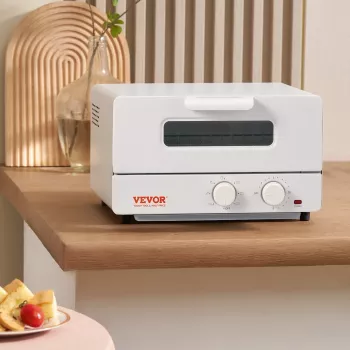
5-in-1 Steam Oven Toaster Convection Oven (12L) with Grill, Pizza Pan & Gloves
A compact countertop oven can handle weeknight dinners, toast, and quick snacks without heating up the whole kitchen. This 12L 5-in-1 steam toaster convection oven pairs steam and convection heat for crisp edges and moist centers, and it includes practical accessories like a grill rack, pizza pan, and heat-resistant gloves for safer handling.
If you’re looking for a multi-tasking upgrade, the 5-in-1 Steam Oven Toaster Convection Oven 12L with Grill, Pizza Pan & Gloves is designed to cover the daily basics—toast, roast, reheat, and finish foods with top browning—without the footprint of a full-size oven.
What this oven set includes
- 12L countertop steam toaster convection oven designed for multi-purpose daily cooking
- Grill rack for elevated airflow and more even browning
- Pizza pan for frozen or fresh pizzas, flatbreads, and reheating slices
- Gloves to help move hot trays and pans more safely
- A single compact setup that reduces the need for separate toaster, small oven, and reheat tools
The included accessories matter because they increase consistency: the grill rack promotes circulation under food, while the pizza pan supports better contact heat for crisper bases. The gloves help with quick mid-cook rotations—often the difference between “almost there” and evenly browned.
How steam + convection changes results
Steam and convection aren’t just extra features; they can change texture in a noticeable way:
- Steam can help limit drying during cooking, especially for lean proteins and reheating leftovers.
- Convection airflow supports faster, more even browning compared with still-air heating.
- Using steam early (then finishing with convection heat) can improve crust while keeping the interior tender.
- Common wins: better toast texture, less rubbery reheated pizza, juicier chicken portions, and softer baked goods.
A practical rhythm is “steam to warm and protect moisture, convection to crisp and color.” It’s especially helpful when reheating foods that tend to go tough in a microwave—like pizza slices or leftover chicken.
Everyday uses for the 12L capacity
At 12 liters, this countertop format is built for small-batch cooking and quick turnarounds:
- Fits many small-batch tasks: toast for 1–3 people, single-pan sides, snacks, and quick bakes.
- A practical option for apartments, dorm-style kitchens, RVs, offices, or as a second oven during holidays.
- Works well for meal components: roasting vegetables while the main oven is busy, or reheating without microwaving.
- Helps reduce preheat time compared with full-size ovens for small portions.
For packed lunches or meal prep, pairing a countertop oven with smart storage can streamline the routine. After cooking, portion leftovers into a compact container like the Portable Silicone Food Storage Lunch Box to keep fridge space tidy and grab-and-go easier.
Cooking modes and when to use them
Different foods benefit from different heat styles. Use these habits as a starting point, then adjust time and temperature for thickness and preference:
- Steam-forward cooking: good for reheating rice, bread rolls, or leftovers that tend to dry out.
- Convection baking/roasting: good for cookies, roasted vegetables, and crisping foods quickly.
- Toasting: ideal for bread, bagels, and warming pastries.
- Grill/broil-style finishing: useful for top browning, melting cheese, and adding char to vegetables or skewers.
- Pizza mode habits: use the pizza pan to support the base, then finish with higher heat for a crisp edge.
| Food | Suggested approach | Helpful tip |
|---|---|---|
| Toast | Toast/convection | Steam usually not needed; watch closely for darker bread |
| Reheating pizza | Steam briefly, then convection finish | Short steam keeps cheese from hardening; finish for crisp crust |
| Roasted vegetables | Convection roast | Use the grill rack for more airflow and browning |
| Salmon or chicken pieces | Steam + convection | Steam early to retain moisture; finish hot for color |
| Melting cheese/topping | Grill/broil finish | Keep an eye on timing to avoid over-browning |
Using the grill rack, pizza pan, and gloves effectively
- Grill rack: increases airflow under food, improving crispness for fries, wings, or reheated items.
- Pizza pan: supports more even heat under flatbreads and helps reduce soggy bottoms when reheating.
- Gloves: use for removing hot pans, rotating trays mid-cook, and checking doneness safely.
- Tip: preheat the pizza pan briefly for crisper results (when the recipe allows).
One simple upgrade for reheats: place pizza or bread on the preheated pan for the last couple minutes to encourage a drier, crisper base without overcooking the toppings.
Simple operating habits that improve consistency
For food safety temperature targets, follow the USDA’s guidance and verify doneness at the thickest part of the food: USDA Safe Minimum Internal Temperature Chart.
Cleaning and care for steam countertop ovens
For general cleaning and sanitizing practices around food prep surfaces, see the FDA’s food safety education resources: FDA Food Safety (Cleaning and Sanitizing).
Safety notes for high heat and steam
For broader appliance safety pointers (placement, clearance, and responsible use), UL’s general guidance is a helpful reference point: UL Solutions Kitchen Appliance Safety Resources.
FAQ
Is steam useful for reheating pizza without making it soggy?
Yes—use steam briefly to warm the slice evenly, then switch to convection/high heat to dry the surface and crisp the crust. Keeping the steam phase short and finishing on the pizza pan helps prevent sogginess.
How often should a steam countertop oven be descaled?
It depends on how often you use steam and how hard your water is. Check periodically for mineral buildup and follow the unit’s cleaning guidance; using filtered water can reduce scaling.
What internal temperatures should cooked chicken reach?
Chicken should reach the USDA safe minimum internal temperature of 165°F when measured with a food thermometer at the thickest part. Temperature is more reliable than cook time for confirming doneness.
Recommended for you

Best Beginner Reptile: Why Leopard Geckos Stand Out
Sep 24, 2026
Virtual Gift Card Declined? Common Causes and Fixes
Sep 25, 2026














Leave a comment