-
Shop
- AI Skills Mastery 2026 Collection
- Beauty Guides Collection
- Best-Sellers
- Car Accessories
- Dating & Social Skills
- Digital Resources
- Beauty
- Budgeting & Saving
- Car Buying & Ownership
- Cozy Feast Collection
- Dating & Social Confidence
- Electronics & Technology
- Emotional Intelligence
- Entrepreneurship & Business Growth
- Financial Independence
- Financial Mindset & Psychology
- Goal Setting
- Halloween Digital Collection
- Hobbies
- Home Styling & Organization
- Kitchen & Cooking
- Leadership
- Mindfulness
- Motivation
- Nutrition & Healthy Eating
- Parenting & Child Development
- Personal Style & Fashion
- Positive Thinking
- Productivity
- Self Confidence
- Sleep Improvement
- Smart Amazon Shopping
- Smart Black Friday Shopping
- Smart Life with AI
- Stress Management & Relaxation
- Thanksgiving Digital Collection
- Travel & Adventure
- Travel Planning
- Wellness & Self-Care
- Yoga & Mind-Body Practices
- Easter
- Education & Learning
- Family & Parenting
- Fashion
- Fashion Accessories
- Financial Education
- Fitness & Yoga Guides
- Gadgets
- Gift Guide Collection
- Gifts
- Health & Beauty
- Health & Wellness
- Home & Garden
- Home Supplies
- Kids & Babies
- Kitchen
- Mindset
- Online Business for Beginners
- Parenting Guides Collection
- Personal Growth
- Pet Care
- Pet Lifestyle & Wellness
- Pets
- Smart Home Living Guides
- Sport & Outdoors
- Stress Relief & Relaxation
- Super Deals
- TikTok Growth & Monetization Mastery
- Travel
- Valentine’s Day Inspiration
- Wealth
- Wealth Building
- Winter Fashion
- Women’s Wellness & Lifestyle
- YouTube Shorts Best-Sellers
- Popular
- Best deals
Best Supplements for Hormonal Balance: What Helps Most
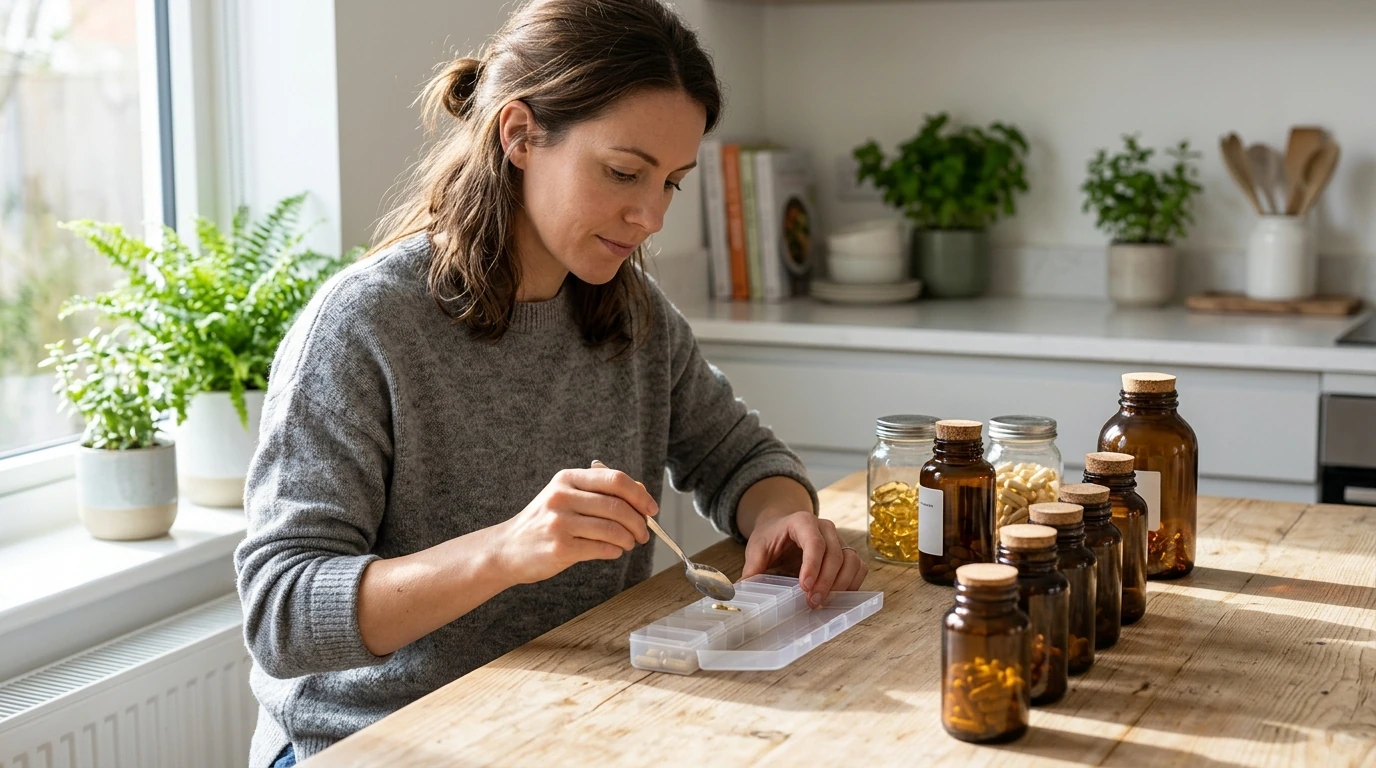
What is the best supplement for hormonal balance?
There isn’t one “best” supplement for hormonal balance because hormone shifts can come from different root causes—stress, sleep disruption, blood-sugar swings, nutrient gaps, or life-stage changes. The most helpful supplement is the one that matches what your body is signaling and that fits safely with your health history.
For many adults, a smart starting point is targeted basics that support the systems hormones rely on:
- Magnesium (glycinate or citrate): Often used to support relaxation, sleep quality, and stress response—factors that can influence cortisol and downstream hormones.
- Vitamin D3 (with K2 when appropriate): Helpful when levels are low; vitamin D functions more like a hormone in the body and can affect mood and metabolic signaling.
- Omega-3s (EPA/DHA): Supports healthy inflammatory balance, which matters for PMS discomfort, skin changes, and overall endocrine “noise.”
- B-complex (especially B6): Commonly used for energy metabolism and menstrual-cycle comfort, particularly when diet intake is inconsistent.
If stress is a major driver, adaptogens may be considered. Ashwagandha is one of the most studied for stress support, while rhodiola may help with fatigue under pressure. If cycle-related symptoms are the main issue, chasteberry (vitex) is sometimes used for PMS, but it’s not a fit for everyone.
Because hormones are tightly connected to daily habits, supplements work best when paired with consistent sleep, steady meals with enough protein and fiber, and stress downshifts. For a practical routine that ties these pieces together, see this everyday hormone health habits guide.
Safety note: If you’re pregnant, breastfeeding, trying to conceive, have thyroid conditions, take hormonal birth control, or use medications for mood, blood pressure, or blood sugar, check with a clinician before starting hormone-active supplements (especially vitex and adaptogens).
FAQ
How long does it take supplements to affect hormone balance?
Some people notice changes in sleep or stress within 1–2 weeks, but cycle-related goals often take 2–3 months of consistent use. If symptoms worsen or don’t improve after a full cycle or two, reassess the approach with a clinician.
Recommended for you


Best Drinks to Support Hormone Balance (Low Sugar)
Sep 14, 2026











Leave a comment