-
Shop
- AI Skills Mastery 2026 Collection
- Beauty Guides Collection
- Best-Sellers
- Car Accessories
- Dating & Social Skills
- Digital Resources
- Beauty
- Budgeting & Saving
- Car Buying & Ownership
- Cozy Feast Collection
- Dating & Social Confidence
- Electronics & Technology
- Emotional Intelligence
- Entrepreneurship & Business Growth
- Financial Independence
- Financial Mindset & Psychology
- Goal Setting
- Halloween Digital Collection
- Hobbies
- Home Styling & Organization
- Kitchen & Cooking
- Leadership
- Mindfulness
- Motivation
- Nutrition & Healthy Eating
- Parenting & Child Development
- Personal Style & Fashion
- Positive Thinking
- Productivity
- Self Confidence
- Sleep Improvement
- Smart Amazon Shopping
- Smart Black Friday Shopping
- Smart Life with AI
- Stress Management & Relaxation
- Thanksgiving Digital Collection
- Travel & Adventure
- Travel Planning
- Wellness & Self-Care
- Yoga & Mind-Body Practices
- Easter
- Education & Learning
- Family & Parenting
- Fashion
- Fashion Accessories
- Financial Education
- Fitness & Yoga Guides
- Gadgets
- Gift Guide Collection
- Gifts
- Health & Beauty
- Health & Wellness
- Home & Garden
- Home Supplies
- Kids & Babies
- Kitchen
- Mindset
- Online Business for Beginners
- Parenting Guides Collection
- Personal Growth
- Pet Care
- Pet Lifestyle & Wellness
- Pets
- Smart Home Living Guides
- Sport & Outdoors
- Stress Relief & Relaxation
- Super Deals
- TikTok Growth & Monetization Mastery
- Travel
- Valentine’s Day Inspiration
- Wealth
- Wealth Building
- Winter Fashion
- Women’s Wellness & Lifestyle
- YouTube Shorts Best-Sellers
- Popular
- Best deals
Best Belt Buckle Brand: How to Choose Durable Hardware
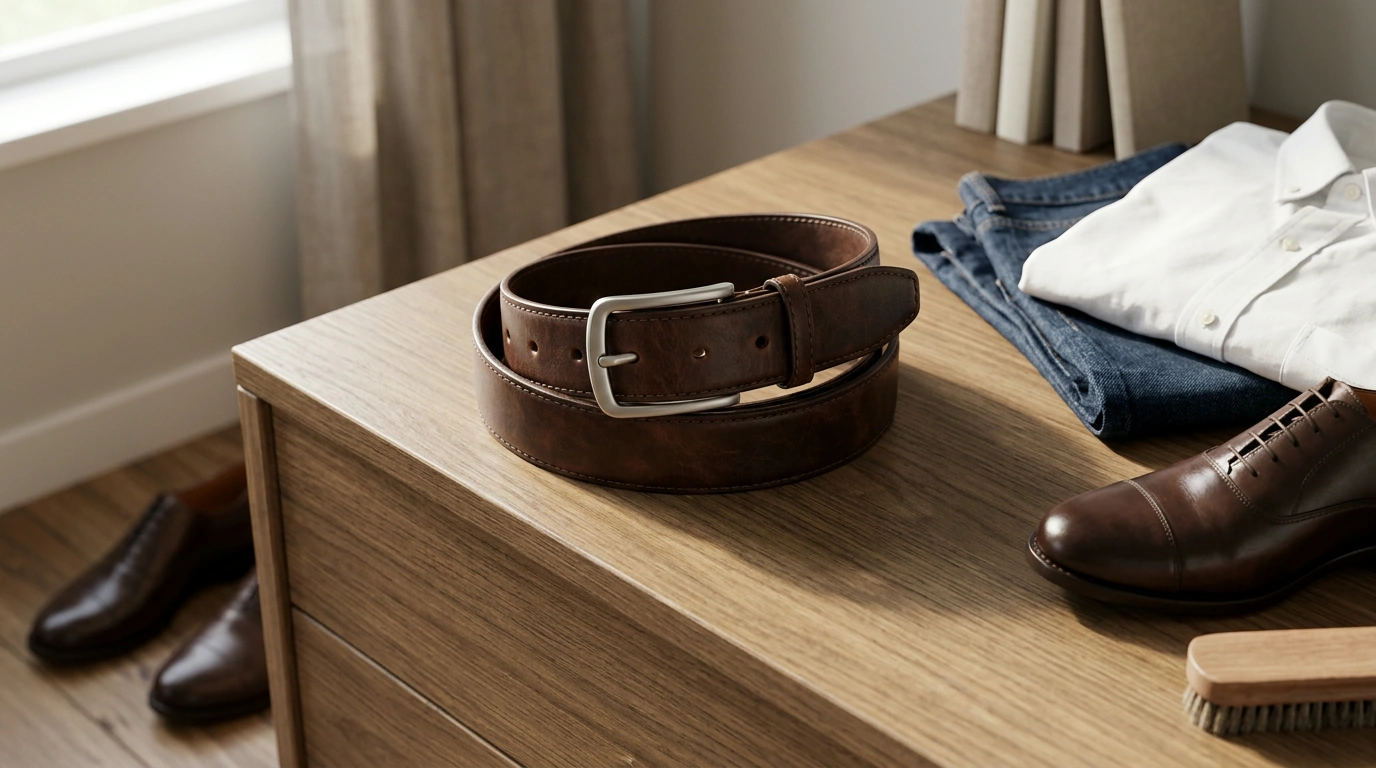
What is the best belt buckle brand?
The best belt buckle brand depends on what “best” means for your daily wear: durability, finish quality, and long-term resistance to tarnish and scratches. For most shoppers who want a reliable buckle that holds up to frequent use, brands that consistently use solid hardware—especially stainless steel—tend to outperform cheaper plated alloys. Stainless steel buckles are valued for their strength, corrosion resistance, and clean look that stays consistent over time.
That said, the “best” choice is often tied to the belt it’s paired with. A well-made buckle on a poorly built belt won’t feel premium for long, and a great leather strap can be let down by a flimsy clasp. Looking at the leather quality, the buckle’s material, and how the hardware is attached (tight tolerances, sturdy prong, smooth roller if included) is a more dependable way to choose than chasing a single logo.
What to look for in a top-tier buckle brand
Prioritize brands that clearly state their materials and construction. Stainless steel is a strong baseline for everyday belts, while solid brass can be excellent when you want a warmer tone and a classic patina. Pay attention to the finish: a high-quality polish or brushed surface should look even, without rough edges or thin spots. Also check practical details like prong alignment (it should sit centered), frame rigidity (no flexing), and a secure attachment method that won’t loosen with wear.
A simple way to decide quickly
If the belt is meant for regular rotation—commuting, travel, or daily office wear—choose a belt-and-buckle combo built around stainless steel hardware and genuine leather, then match the finish (silver, gunmetal, or matte) to your most-worn shoes and watch. For a deeper breakdown of buckle materials and how they pair with leather belts, see the full guide here: https://valuablegoodsvault.shop/guide-genuine-leather-mens-belt-stainless-steel-buckle/.
FAQ
What is the difference between stainless steel and alloy belt buckles?
Stainless steel is typically more resistant to rust and wear, while many alloys rely on plating that can scratch or discolor over time. For frequent use, stainless steel usually holds its finish longer.
Recommended for you
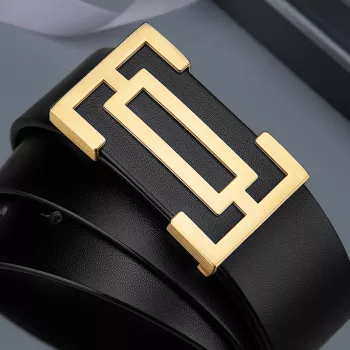


Best Real Leather Belt Makers: What to Look For
Sep 5, 2026












Leave a comment