-
Shop
- AI Skills Mastery 2026 Collection
- Beauty Guides Collection
- Best-Sellers
- Car Accessories
- Dating & Social Skills
- Digital Resources
- Beauty
- Budgeting & Saving
- Car Buying & Ownership
- Cozy Feast Collection
- Dating & Social Confidence
- Electronics & Technology
- Emotional Intelligence
- Entrepreneurship & Business Growth
- Financial Independence
- Financial Mindset & Psychology
- Goal Setting
- Halloween Digital Collection
- Hobbies
- Home Styling & Organization
- Kitchen & Cooking
- Leadership
- Mindfulness
- Motivation
- Nutrition & Healthy Eating
- Parenting & Child Development
- Personal Style & Fashion
- Positive Thinking
- Productivity
- Self Confidence
- Sleep Improvement
- Smart Amazon Shopping
- Smart Black Friday Shopping
- Smart Life with AI
- Stress Management & Relaxation
- Thanksgiving Digital Collection
- Travel & Adventure
- Travel Planning
- Wellness & Self-Care
- Yoga & Mind-Body Practices
- Easter
- Education & Learning
- Family & Parenting
- Fashion
- Fashion Accessories
- Financial Education
- Fitness & Yoga Guides
- Gadgets
- Gift Guide Collection
- Gifts
- Health & Beauty
- Health & Wellness
- Home & Garden
- Home Supplies
- Kids & Babies
- Kitchen
- Mindset
- Online Business for Beginners
- Parenting Guides Collection
- Personal Growth
- Pet Care
- Pet Lifestyle & Wellness
- Pets
- Smart Home Living Guides
- Sport & Outdoors
- Stress Relief & Relaxation
- Super Deals
- TikTok Growth & Monetization Mastery
- Travel
- Valentine’s Day Inspiration
- Wealth
- Wealth Building
- Winter Fashion
- Women’s Wellness & Lifestyle
- YouTube Shorts Best-Sellers
- Popular
- Best deals
1-Minute Breathing Checklist for Calm and Focus on Busy Days
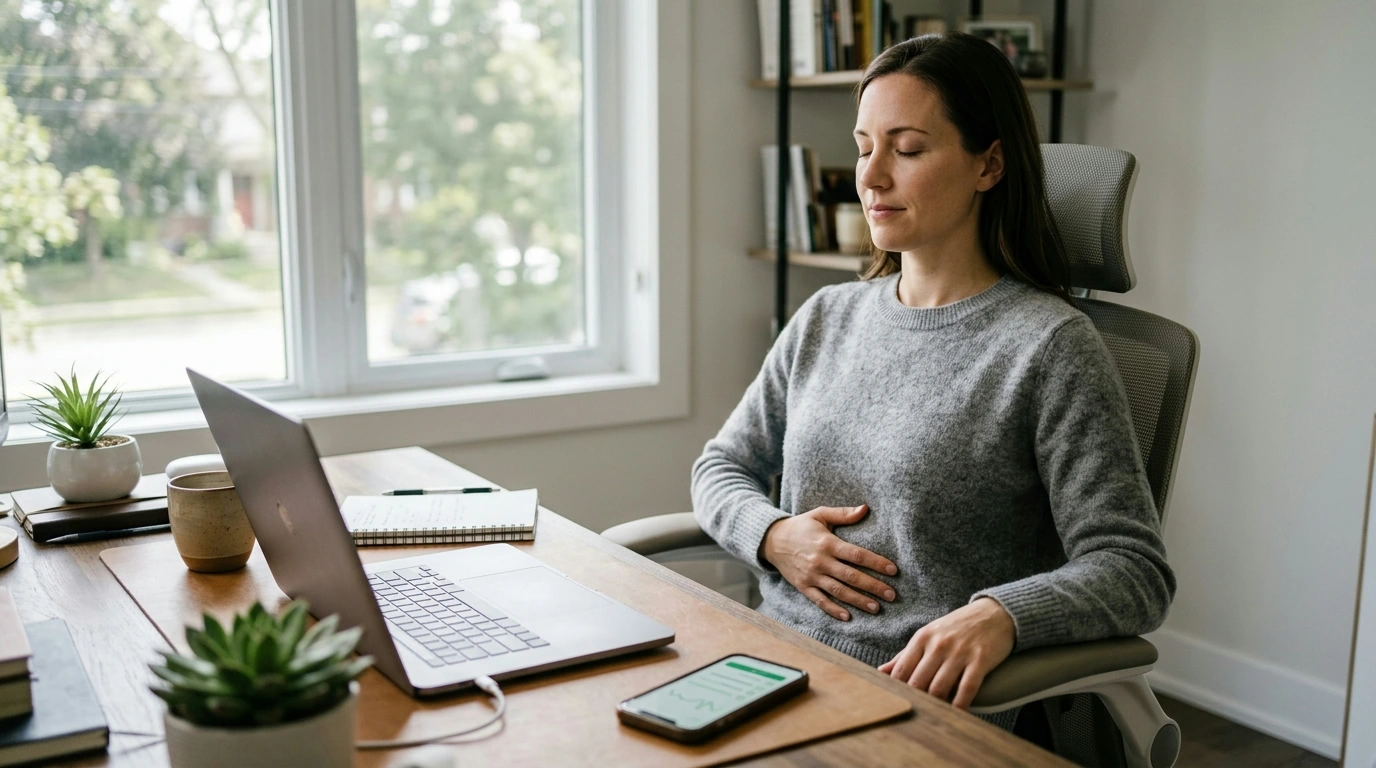
Quick Breathing Techniques for Busy Days: A Simple Checklist for Instant Calm and Sharper Focus
Tight schedules, constant notifications, and back-to-back tasks can push the nervous system into “always on” mode. Short, structured breathing drills can shift the body toward calm in under a minute—without special equipment, a quiet room, or a long meditation session. A checklist approach keeps it simple: pick a technique based on what you need right now (quick stress relief, a focus reset, or a wind-down before sleep), then stop as soon as you feel more steady.
When fast breathing practices help most
- Before a meeting or call: settle racing thoughts and reduce shaky voice or tight chest sensations.
- Mid-task slump: regain clarity when attention drifts or mental fatigue sets in.
- After a stressful message: interrupt the stress spiral before it snowballs into irritability or overwhelm.
- Transition moments: switch gears between work and home, or between tasks, without carrying tension forward.
- Bedtime: downshift the body when the mind is tired but “wired.”
Breath control is widely used in relaxation training because it can influence arousal and stress response. For additional background, see Harvard Health Publishing and the National Center for Complementary and Integrative Health (NCCIH).
A 30-second reset: the quickest way to downshift
This is the “pause button” drill—especially useful before responding to a message, jumping into a meeting, or making a decision.
- Posture: sit tall or stand with feet grounded; soften shoulders and jaw.
- Breath path: breathe through the nose if possible; keep the belly relaxed so it can move gently.
- Pattern: exhale longer than the inhale (often feels calming for many people).
- Example: inhale 3 seconds, exhale 6 seconds for 3 rounds (adjust shorter if needed).
- Finish: take one normal breath and notice if your chest, face, or hands feel less “tight.”
Techniques to boost focus without getting jittery
For focus, the goal is “steady and clear,” not hyped. Keep the effort low and let the breath be quiet.
- Box breathing for steady concentration: inhale–hold–exhale–hold with equal counts (start at 3–4 seconds each).
- “Physiological sigh” to release tension quickly: two short inhales through the nose, followed by a long slow exhale; repeat 1–3 times.
- Light paced breathing during deep work: choose a gentle rhythm (for example, 4 seconds in and 6 seconds out) for 2–5 minutes.
- Pair with a single-task cue: start breathing, then name the next tiny action (e.g., “open document,” “write first sentence”).
- Keep effort low: if any technique feels forced, reduce the count or switch to normal breathing for a few cycles.
Quick tip for “too much intensity”
If you notice tingling, a buzzy feeling, or extra anxiety, you’re likely over-breathing (too big or too fast). Make the inhale smaller, keep the exhale smooth, and shorten or skip breath holds.
Pick the right drill fast (mini decision guide)
- If the heart feels fast or the body feels tense: choose longer exhales or the physiological sigh.
- If the mind is scattered: choose box breathing or a short paced-breathing set with a simple count.
- If energy is low but stress is present: try a few rounds of steady nasal breathing with slightly quicker inhales (without strain).
- If anxiety spikes: return to comfort—smaller counts, softer breathing, and a longer exhale.
- If nasal breathing is difficult: breathe gently through the mouth and keep the exhale slow.
| Situation | Best quick option | How long | Simple count |
|---|---|---|---|
| Sudden stress or overwhelm | Physiological sigh | 20–60 seconds | 2 short inhales + 1 long exhale |
| Racing thoughts before a call | Long-exhale breathing | 30–90 seconds | In 3, out 6 (adjust as needed) |
| Need steady focus | Box breathing | 1–3 minutes | In 4, hold 4, out 4, hold 4 |
| Afternoon mental fog | Paced breathing | 2–5 minutes | In 4, out 6 |
| Wind-down for sleep | Long-exhale breathing | 3–8 minutes | In 4, out 7–8 |
Make it stick: 3 micro-routines for real life
Digital checklist: a ready-to-use set you can keep on your phone
If you prefer a grab-and-go format, a simple one-page list can make practice more consistent on hectic weeks. Quick Breathing Techniques for Busy People Checklist (digital download) is designed for quick selection by goal (calm, focus, wind-down), with clear counts and stopping points—useful when attention is scattered.
For an everyday “support your routine” pairing, keeping lunch steady can reduce the odds of getting frazzled late afternoon. Portable Silicone Food Storage Lunch Box makes it easier to pack something reliable so you’re not running on fumes.
And for a simple comfort cue on high-pressure days (especially at home), a small calming object can reinforce the habit loop: pause, breathe, reset. Cute Kawaii Lion Plush Toy can serve as a visible reminder to take 30 seconds before pushing through stress.
Safety notes and common mistakes to avoid
FAQ
How quickly can breathing exercises reduce stress?
Many people notice a shift in 30–60 seconds, especially with longer exhales or a physiological sigh, while others need a few minutes. The biggest difference usually comes from keeping the breath gentle and practicing briefly several times a day.
Which breathing technique is best for focus during work?
Box breathing and paced breathing tend to support steady attention without revving you up. Start with an easy count like 4-4-4-4 or 4 seconds in and 6 seconds out, and adjust so it feels comfortable rather than forced.
Is it normal to feel lightheaded while trying breath counts?
Yes—this can happen if you inhale too deeply or speed up without realizing it. Stop, return to normal breathing, shorten the counts next time, and keep inhales soft; if symptoms persist or you have medical concerns, check with a clinician.















Leave a comment