-
Shop
- AI Skills Mastery 2026 Collection
- Beauty Guides Collection
- Best-Sellers
- Car Accessories
- Dating & Social Skills
- Digital Resources
- Beauty
- Budgeting & Saving
- Car Buying & Ownership
- Cozy Feast Collection
- Dating & Social Confidence
- Electronics & Technology
- Emotional Intelligence
- Entrepreneurship & Business Growth
- Financial Independence
- Financial Mindset & Psychology
- Goal Setting
- Halloween Digital Collection
- Hobbies
- Home Styling & Organization
- Kitchen & Cooking
- Leadership
- Mindfulness
- Motivation
- Nutrition & Healthy Eating
- Parenting & Child Development
- Personal Style & Fashion
- Positive Thinking
- Productivity
- Self Confidence
- Sleep Improvement
- Smart Amazon Shopping
- Smart Black Friday Shopping
- Smart Life with AI
- Stress Management & Relaxation
- Thanksgiving Digital Collection
- Travel & Adventure
- Travel Planning
- Wellness & Self-Care
- Yoga & Mind-Body Practices
- Easter
- Education & Learning
- Family & Parenting
- Fashion
- Fashion Accessories
- Financial Education
- Fitness & Yoga Guides
- Gadgets
- Gift Guide Collection
- Gifts
- Health & Beauty
- Health & Wellness
- Home & Garden
- Home Supplies
- Kids & Babies
- Kitchen
- Mindset
- Online Business for Beginners
- Parenting Guides Collection
- Personal Growth
- Pet Care
- Pet Lifestyle & Wellness
- Pets
- Smart Home Living Guides
- Sport & Outdoors
- Stress Relief & Relaxation
- Super Deals
- TikTok Growth & Monetization Mastery
- Travel
- Valentine’s Day Inspiration
- Wealth
- Wealth Building
- Winter Fashion
- Women’s Wellness & Lifestyle
- YouTube Shorts Best-Sellers
- Popular
- Best deals
Inner Beauty Glow-Up Checklist: 10-Min Reset + 7 Days
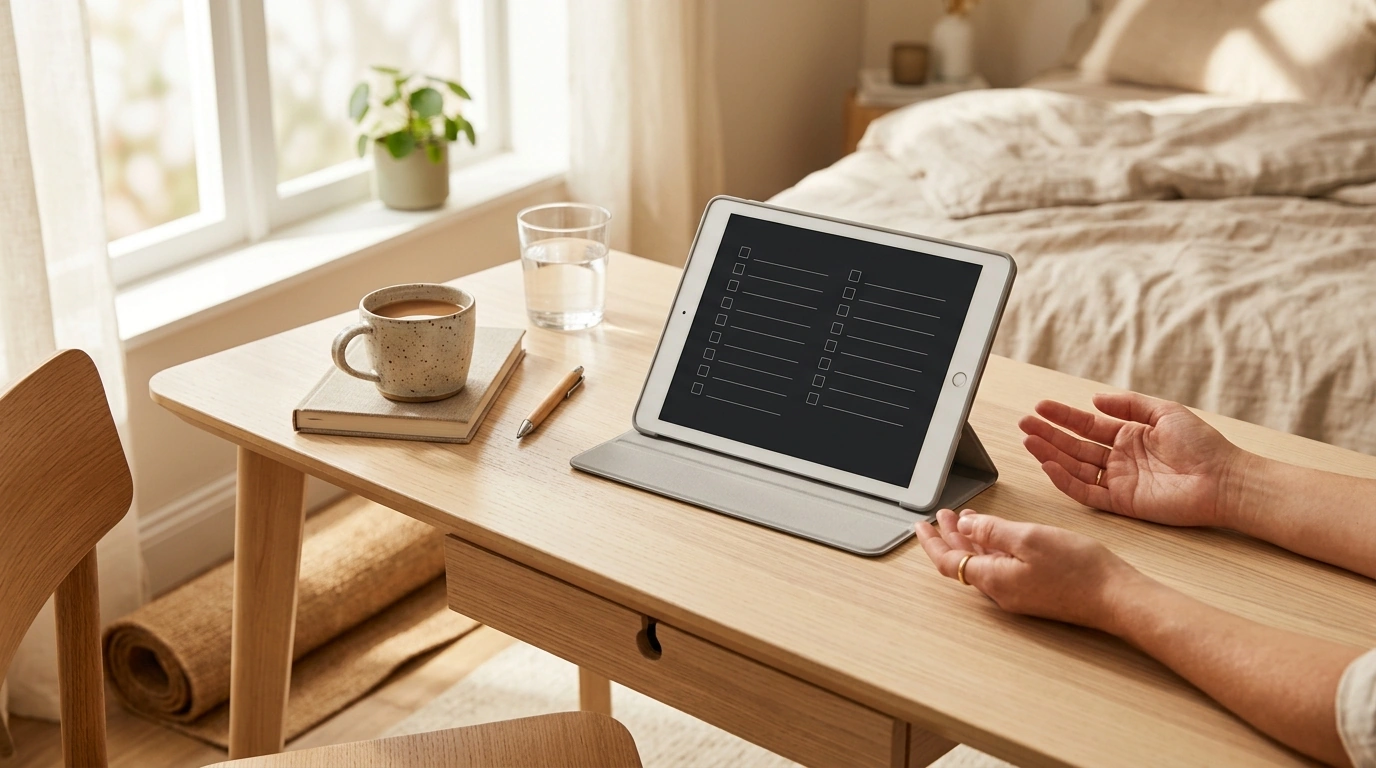
The Ultimate Inner Beauty Glow-Up Checklist: Self-Care, Mindfulness, Gratitude, and Affirmations
An inner beauty glow-up is built from small, repeatable choices that support calm, confidence, and self-respect. A checklist approach makes it easier to stay consistent with mindfulness, gratitude, and affirmations—without needing hours of free time—so daily habits feel doable, grounded, and motivating.
What an Inner Beauty Glow-Up Really Means
Inner beauty isn’t a personality trait you either have or don’t have—it’s a set of skills you can practice. Think: awareness, emotional regulation, self-compassion, and intentional habits that keep you steady when life is loud.
The “glow” tends to follow consistency. When you regularly pause, breathe, and choose supportive self-talk, you often notice improved mood, clearer decisions, and a kinder inner voice. That shift shows up in your posture, your energy, and how you treat yourself (and others) under pressure.
A checklist mindset removes guesswork. It reduces decision fatigue (“What should I do today?”) and builds momentum (“I did the thing.”). The goal is progress over perfection—missed days can be resumed without restarting your identity or your routine.
Start Here: A 10-Minute Daily Reset (Morning or Evening)
If you do nothing else, do this. It’s short enough for busy seasons and powerful enough to change the tone of your day.
- 1 minute: Breathe slowly and name the current emotion (no judging). “I’m anxious.” “I’m tired.” “I’m hopeful.”
- 2 minutes: Body scan—soften your jaw, drop your shoulders, unclench hands, relax your belly.
- 2 minutes: Write one thing that matters today (a value, not a task): “Patience,” “Integrity,” “Courage,” “Play.”
- 3 minutes: Choose one affirmation and repeat it with steady breath.
- 2 minutes: Gratitude note—one specific moment, person, or capability.
For a ready-made version you can print or keep on your phone, use The Ultimate Inner Beauty Glow-Up Checklist (digital download).
The Checklist: Self-Care Foundations That Make Everything Easier
Mindfulness tools work best on a regulated body. These basics keep your nervous system supported so gratitude and affirmations don’t feel like a fight.
- Sleep support: Keep a consistent bedtime window, dim lights for wind-down, and add a phone-off buffer.
- Nutrition basics: Balanced meals and hydration can stabilize mood—this isn’t a perfection project.
- Movement: Pick the smallest dose you can sustain (stretching, walking, dance, yoga).
- Environment: A 5-minute tidy reduces stress signals and increases calm.
- Boundaries: One gentle “no,” one intentional “yes,” and one protected break each day.
Quick Habit Menu: Pick One per Category
| Category | 2–5 Minute Option | 10–20 Minute Option | When It Helps Most |
|---|---|---|---|
| Mindfulness | 3 deep breaths + name 1 feeling | Guided meditation | When overwhelmed or distracted |
| Gratitude | Write 1 specific “thank you” | Gratitude list (5 items) | When mood is low or cynical |
| Affirmations | Repeat 1 line for 60 seconds | Mirror practice + journaling | When self-doubt is loud |
| Self-care | Water + 2-minute stretch | Walk, bath, or early bedtime | When energy is depleted |
| Connection | Send a kind text | Call a supportive person | When feeling isolated |
If meal prep feels like the barrier, simplify your next step: pack one balanced option you’ll actually eat. A small routine tool like a Portable Silicone Food Storage Lunch Box can make “nourish myself” feel realistic on workdays.
Mindfulness: Simple Practices That Build Emotional Strength
Mindfulness isn’t about emptying your mind—it’s about noticing what’s happening without instantly obeying it. The American Psychological Association outlines how mindfulness practices can support stress management and well-being (APA: Mindfulness meditation).
- Anchor practice: Focus on breath, sounds, or sensations for 60–120 seconds.
- Noticing loops: Catch a recurring thought and label it “planning,” “worrying,” or “judging.”
- Micro-pauses: Before reacting, inhale, exhale, then choose the next action.
- Self-compassion check: Replace harsh language with a supportive phrase that still tells the truth.
- Consistency tip: Pair mindfulness with an existing habit (tea, commute, shower).
Gratitude That Feels Real (Not Forced)
Gratitude works best when it’s specific. Harvard Health notes that giving thanks can support happiness and emotional well-being (Harvard Health: Giving thanks can make you happier).
Affirmations That Work: How to Write and Use Them
A 7-Day Glow-Up Rhythm (Repeat Weekly)
For comfort on restore days, a small “soft landing” can help your body unwind—like a Cute Kawaii Lion Plush Toy for cozy downtime.
Make It Stick: A Gentle Tracking System
Digital Download Option: A Ready-to-Use Checklist
If you want structure without overcomplicating your routine, The Ultimate Inner Beauty Glow-Up Checklist (digital download) is designed for quick daily check-ins. It combines self-care foundations with mindfulness, gratitude, and affirmation prompts—especially helpful during busy seasons, transitions, or motivation dips.
If your environment is part of your reset ritual, Enchant Your Space with Witchy Home Styling (digital guide) can inspire calming, intentional spaces that support your habits.
FAQ
How long does an inner beauty glow-up take?
Noticeable shifts often show up within 1–2 weeks of consistent daily reps, while deeper habit change usually takes several weeks. Focus on your daily reset and a quick weekly reflection rather than chasing a deadline.
What if affirmations feel fake or awkward?
Use bridge statements that feel believable today, and pair them with one small action that proves the message. Practicing during slow breathing also reduces resistance and makes the words feel more natural over time.
How can a checklist improve mindfulness and self-care?
A checklist reduces decision fatigue by telling you exactly what to do next, making it easier to start and easier to repeat. Begin with just three core items, track small wins, and scale up only when it feels stable.
Recommended for you



Best Places to Put an Acrylic Love Quote Sign
Aug 31, 2026













Leave a comment