-
Shop
- AI Skills Mastery 2026 Collection
- Beauty Guides Collection
- Best-Sellers
- Car Accessories
- Dating & Social Skills
- Digital Resources
- Beauty
- Budgeting & Saving
- Car Buying & Ownership
- Cozy Feast Collection
- Dating & Social Confidence
- Electronics & Technology
- Emotional Intelligence
- Entrepreneurship & Business Growth
- Financial Independence
- Financial Mindset & Psychology
- Goal Setting
- Halloween Digital Collection
- Hobbies
- Home Styling & Organization
- Kitchen & Cooking
- Leadership
- Mindfulness
- Motivation
- Nutrition & Healthy Eating
- Parenting & Child Development
- Personal Style & Fashion
- Positive Thinking
- Productivity
- Self Confidence
- Sleep Improvement
- Smart Amazon Shopping
- Smart Black Friday Shopping
- Smart Life with AI
- Stress Management & Relaxation
- Thanksgiving Digital Collection
- Travel & Adventure
- Travel Planning
- Wellness & Self-Care
- Yoga & Mind-Body Practices
- Easter
- Education & Learning
- Family & Parenting
- Fashion
- Fashion Accessories
- Financial Education
- Fitness & Yoga Guides
- Gadgets
- Gift Guide Collection
- Gifts
- Health & Beauty
- Health & Wellness
- Home & Garden
- Home Supplies
- Kids & Babies
- Kitchen
- Mindset
- Online Business for Beginners
- Parenting Guides Collection
- Personal Growth
- Pet Care
- Pet Lifestyle & Wellness
- Pets
- Smart Home Living Guides
- Sport & Outdoors
- Stress Relief & Relaxation
- Super Deals
- TikTok Growth & Monetization Mastery
- Travel
- Valentine’s Day Inspiration
- Wealth
- Wealth Building
- Winter Fashion
- Women’s Wellness & Lifestyle
- YouTube Shorts Best-Sellers
- Popular
- Best deals
Reptile Starter Checklist: Setup & Care Planner Guide
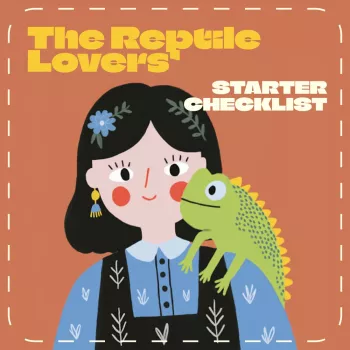
The Reptile Lovers’ Starter Checklist: A Simple Digital Care Planner for Confident First Setups
A first reptile can be wonderfully low-drama—when the enclosure, heat, lighting, and routines are planned before the animal comes home. A simple checklist-and-planner approach keeps the essentials in one place: what to buy, what to test, what to track weekly, and what to watch for as your new pet settles in. (For safe handling and hygiene basics—especially around kids—review the CDC’s guidance on reptiles and Salmonella prevention.)
Start With the Right Mindset: Plan the Habitat First
The easiest way to avoid early problems is to treat the habitat as the “first pet” and the reptile as the second step. Choose the species before shopping; a bulb, tank size, or humidity target that’s “close enough” for one reptile can be unsafe for another.
Set up the enclosure and test it for 7–14 days before bringing your reptile home. During this test period, confirm the temperature gradient (warm side to cool side), a stable humidity range, and a consistent day/night cycle. Budget beyond the initial shopping trip, too: feeders, substrate, supplements, UVB replacements (if needed), and a small vet fund add up over time.
Pick a stable location away from drafts and direct sun, with reliable power access for heat sources. High-traffic areas can also keep new reptiles on edge, which can lead to hiding, skipped meals, and longer acclimation.
Beginner-Friendly Reptile Picks (and What Makes Them Easier)
Beginner-leaning reptiles typically share a few traits: straightforward temperature/humidity targets, readily available feeders or prepared diets, and a calmer tolerance for routine care. Many first-time keepers do well with leopard geckos, crested geckos, or corn snakes. Bearded dragons can also be a great “starter,” but they’re usually more gear-intensive (especially UVB and basking requirements).
Be wary of “impulse reptiles” often mislabeled as easy. Chameleons tend to have highly specific hydration and habitat needs. Iguanas grow large and powerful, outgrowing casual setups quickly. Many wild-caught imports carry higher stress and parasite risks. Always confirm adult size and lifespan—decade-plus commitments are common.
Quick comparison: setup complexity for popular starter reptiles
| Species | Typical complexity | Key notes to plan for |
|---|---|---|
| Leopard gecko | Low–moderate | Warm hide + cool zone, low humidity, simple feeding schedule |
| Crested gecko | Low–moderate | Vertical space, moderate humidity, powdered diet options |
| Corn snake | Low–moderate | Secure enclosure, steady heat, simple feeding cadence |
| Bearded dragon | Moderate | Higher upfront gear: strong UVB, basking zone, varied diet |
The Starter Checklist That Prevents Most Early Mistakes
Most early setbacks come from a short list of fixable gaps: missing measurement tools, unregulated heat sources, or a habitat that looks nice but doesn’t provide usable cover. Aim for an enclosure that fits the species, locks securely, and includes appropriate hides and structure (ground clutter for terrestrial species, climbing for arboreal species).
Printable-style starter checklist (use as a shopping + setup tracker)
| Item/Task | Why it matters | Status |
|---|---|---|
| Confirm adult size + minimum enclosure | Prevents cramped upgrades and stress-related issues | To do / Done |
| Install heat source + control (thermostat/dimmer) | Reduces burn risk and stabilizes temperatures | To do / Done |
| Set warm/cool zones and test for 7–14 days | Ensures a safe gradient before the reptile arrives | To do / Done |
| Add at least two hides (or multiple cover areas) | Improves security and reduces refusal-to-eat periods | To do / Done |
| Add substrate appropriate to species | Supports hygiene and humidity control; reduces injury risk | To do / Done |
| Place thermometers + hygrometer and record readings | Makes conditions measurable and repeatable | To do / Done |
| Plan diet + feeding schedule | Prevents underfeeding/overfeeding and nutrient gaps | To do / Done |
| Locate an exotics vet before purchase | Speeds up help if appetite, stool, or breathing changes | To do / Done |
Daily, Weekly, and Monthly Care Planner (What to Track)
Monthly, review body condition and growth, reassess enrichment and cover, and replace UVB according to the manufacturer’s schedule. Keep notes on appetite, stool/urates, shedding, behavior changes, and handling stress signals. If you need a vet, the Association of Reptile and Amphibian Veterinarians (ARAV) vet finder is a helpful starting point.
Handling and Acclimation: The First 2 Weeks
Common Beginner Problems (and the Usual Fix)
A Practical Gift for Reptile Lovers: Planning Tools That Get Used
If you want a ready-to-use option, The Reptile Lovers’ Starter Checklist | Digital Reptile Care Guide for Beginners | Best Reptile Pets Care Planner & Printable Checklist is an easy way to track shopping, setup testing, and ongoing routines in one place.
For an add-on gift, choose something low-risk and non-invasive (and avoid surprise animals). A soft desk or shelf companion can be a safe pick for many reptile spaces, like the Cute Kawaii Lion Plush Toy, especially when you’re not sure what décor is compatible with the recipient’s enclosure environment.
FAQ
What is a good starter reptile for beginners?
Many beginners do well with leopard geckos, crested geckos, or corn snakes because their care targets are relatively straightforward and their diets are manageable. Always confirm adult size, enclosure requirements, and that feeders and an exotics vet are realistically available where you live.
What is a good gift for a reptile lover?
A care checklist/planner, timers, and reliable thermometers/hygrometers are gifts that get used repeatedly and improve day-to-day consistency. Avoid gifting a live animal or enclosure décor unless you’ve confirmed it matches the recipient’s species and setup.
What is the best beginner lizard?
Leopard geckos and crested geckos are often top beginner choices due to manageable space needs and simpler day-to-day routines. Bearded dragons can be very interactive but typically require stronger UVB, a defined basking zone, and a more involved diet plan.
Recommended for you



Is Choose the Right a Mormon Hymn? Origins Explained
Sep 23, 2026













Leave a comment