-
Shop
- AI Skills Mastery 2026 Collection
- Beauty Guides Collection
- Best-Sellers
- Car Accessories
- Dating & Social Skills
- Digital Resources
- Beauty
- Budgeting & Saving
- Car Buying & Ownership
- Cozy Feast Collection
- Dating & Social Confidence
- Electronics & Technology
- Emotional Intelligence
- Entrepreneurship & Business Growth
- Financial Independence
- Financial Mindset & Psychology
- Goal Setting
- Halloween Digital Collection
- Hobbies
- Home Styling & Organization
- Kitchen & Cooking
- Leadership
- Mindfulness
- Motivation
- Nutrition & Healthy Eating
- Parenting & Child Development
- Personal Style & Fashion
- Positive Thinking
- Productivity
- Self Confidence
- Sleep Improvement
- Smart Amazon Shopping
- Smart Black Friday Shopping
- Smart Life with AI
- Stress Management & Relaxation
- Thanksgiving Digital Collection
- Travel & Adventure
- Travel Planning
- Wellness & Self-Care
- Yoga & Mind-Body Practices
- Easter
- Education & Learning
- Family & Parenting
- Fashion
- Fashion Accessories
- Financial Education
- Fitness & Yoga Guides
- Gadgets
- Gift Guide Collection
- Gifts
- Health & Beauty
- Health & Wellness
- Home & Garden
- Home Supplies
- Kids & Babies
- Kitchen
- Mindset
- Online Business for Beginners
- Parenting Guides Collection
- Personal Growth
- Pet Care
- Pet Lifestyle & Wellness
- Pets
- Smart Home Living Guides
- Sport & Outdoors
- Stress Relief & Relaxation
- Super Deals
- TikTok Growth & Monetization Mastery
- Travel
- Valentine’s Day Inspiration
- Wealth
- Wealth Building
- Winter Fashion
- Women’s Wellness & Lifestyle
- YouTube Shorts Best-Sellers
- Popular
- Best deals
Highest Quality Leather Belt Makers: What to Look For
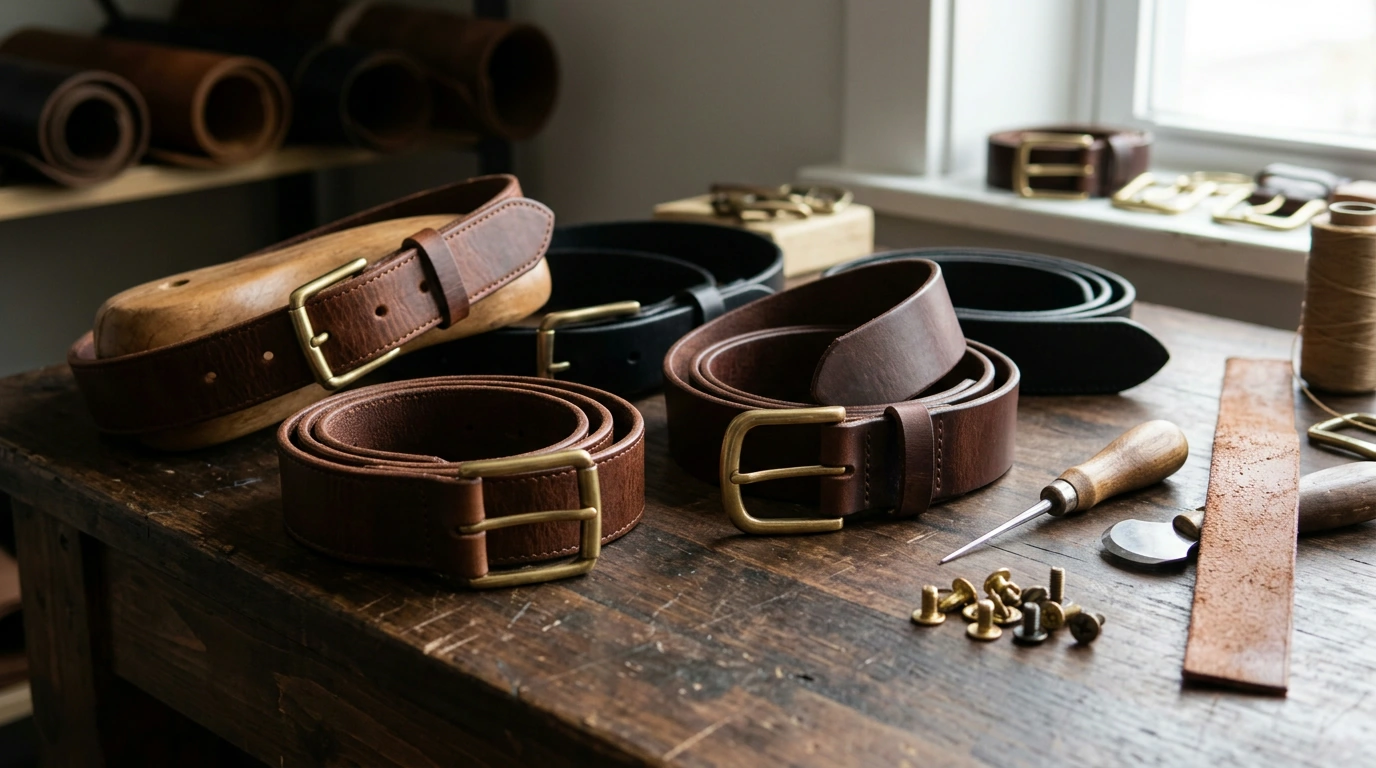
Who makes the highest quality leather belts?
The highest quality leather belts are typically made by heritage leatherworkers and small-to-mid-size brands that control their materials and construction from start to finish. Look for makers that use full-grain vegetable-tanned leather, solid brass or stainless hardware, and thick single-piece straps (often 8–12 oz). These details matter more than a logo because they determine how a belt breaks in, how it holds its shape, and whether it can be repaired years later.
What separates top-tier belt makers from the rest?
High-end belt makers usually start with premium hides from respected tanneries and avoid “genuine leather” laminates. Full-grain leather keeps the strongest surface fibers intact, while vegetable tanning helps the belt develop a rich patina instead of cracking or peeling. Stitching quality is another tell: clean edges, tight stitching, and burnished or painted edges prevent premature fraying.
Construction details that signal true quality
A great belt feels dense and substantial without being stiff like cardboard. Single-layer full-grain straps (or carefully bonded double layers in dress belts) resist stretching. Screwed or Chicago-screw construction can be a plus because it allows buckle swaps and easier repairs. Hardware should be solid (not plated pot metal) and secured with strong stitching or rivets placed where they won’t tear out.
How to choose a “best” maker for your needs
The “highest quality” option depends on how you wear it. For jeans and everyday carry, prioritize thickness, minimal fillers, and a buckle that won’t bend. For office wear, look for precise edge finishing, slimmer profiles, and refined buckles. Sizing matters too—measure a current belt from the fold to your most-used hole for a more accurate fit than guessing by pant size.
For a deeper breakdown of materials, construction, and what to look for when comparing brands, visit the main guide on highest quality leather belts.
FAQ
How do you tell if a leather belt is full-grain?
Full-grain belts are usually labeled clearly and feel substantial with natural surface character rather than a plastic-like top coat. The edges often show dense fibers, and the leather will develop patina with use instead of flaking.
Recommended for you


Turn a Gift Card Into Cash: Safe, Legal Options
Sep 4, 2026












Leave a comment