-
Shop
- AI Skills Mastery 2026 Collection
- Beauty Guides Collection
- Best-Sellers
- Car Accessories
- Dating & Social Skills
- Digital Resources
- Beauty
- Budgeting & Saving
- Car Buying & Ownership
- Cozy Feast Collection
- Dating & Social Confidence
- Electronics & Technology
- Emotional Intelligence
- Entrepreneurship & Business Growth
- Financial Independence
- Financial Mindset & Psychology
- Goal Setting
- Halloween Digital Collection
- Hobbies
- Home Styling & Organization
- Kitchen & Cooking
- Leadership
- Mindfulness
- Motivation
- Nutrition & Healthy Eating
- Parenting & Child Development
- Personal Style & Fashion
- Positive Thinking
- Productivity
- Self Confidence
- Sleep Improvement
- Smart Amazon Shopping
- Smart Black Friday Shopping
- Smart Life with AI
- Stress Management & Relaxation
- Thanksgiving Digital Collection
- Travel & Adventure
- Travel Planning
- Wellness & Self-Care
- Yoga & Mind-Body Practices
- Easter
- Education & Learning
- Family & Parenting
- Fashion
- Fashion Accessories
- Financial Education
- Fitness & Yoga Guides
- Gadgets
- Gift Guide Collection
- Gifts
- Health & Beauty
- Health & Wellness
- Home & Garden
- Home Supplies
- Kids & Babies
- Kitchen
- Mindset
- Online Business for Beginners
- Parenting Guides Collection
- Personal Growth
- Pet Care
- Pet Lifestyle & Wellness
- Pets
- Smart Home Living Guides
- Sport & Outdoors
- Stress Relief & Relaxation
- Super Deals
- TikTok Growth & Monetization Mastery
- Travel
- Valentine’s Day Inspiration
- Wealth
- Wealth Building
- Winter Fashion
- Women’s Wellness & Lifestyle
- YouTube Shorts Best-Sellers
- Popular
- Best deals
Adjusting Bedtime After Your Child Stops Napping
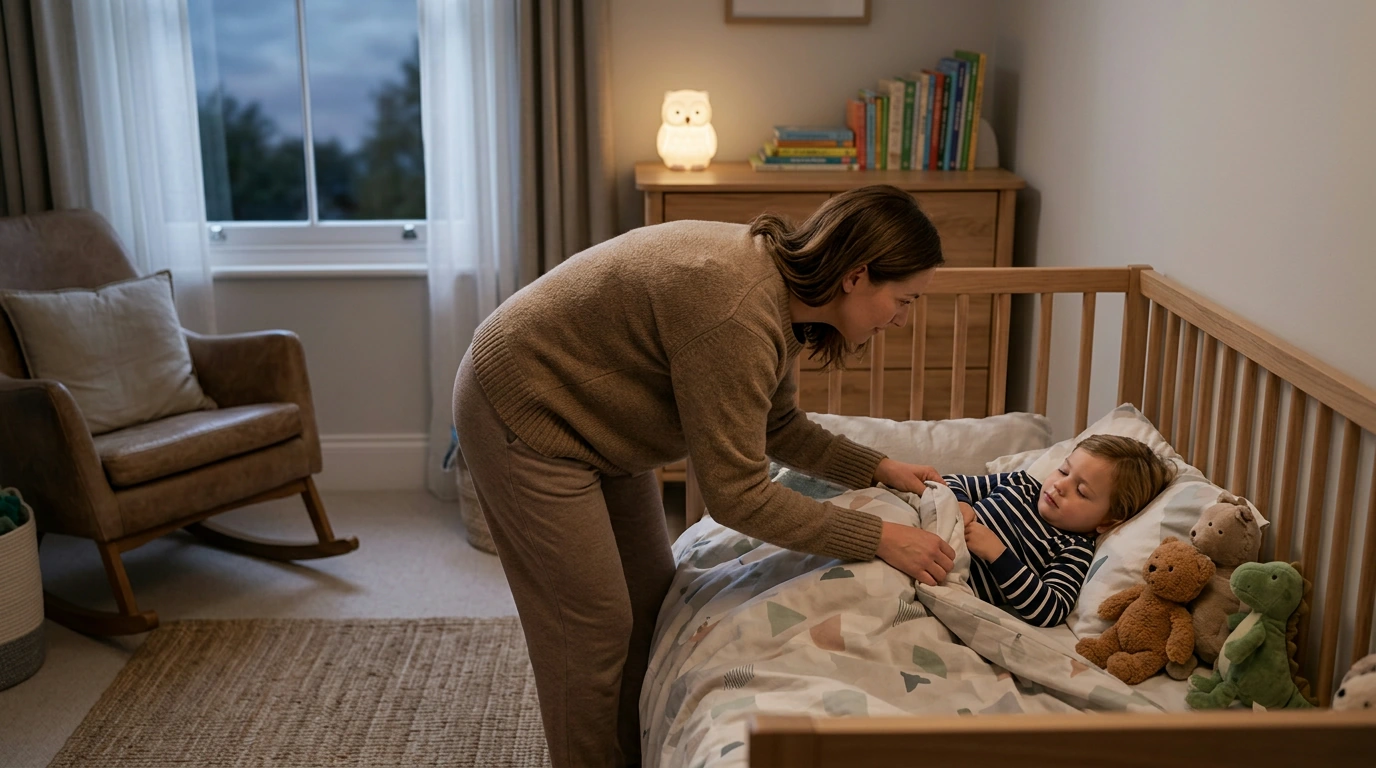
How do I adjust bedtime when my child stops napping?
When a child drops a nap, the biggest challenge is preventing that overtired “second wind” that can turn evenings into battles. The simplest approach is to shift bedtime earlier in small, predictable steps while watching for sleepiness cues and keeping the late afternoon calm.
Start with a modest bedtime shift
Move bedtime earlier by 15–30 minutes for 3–4 nights, then reassess. Many kids who recently stopped napping do best with a bedtime that’s 45–90 minutes earlier than their old schedule. If your child is melting down at dinner, rubbing eyes, getting clumsy, or becoming unusually silly, that’s often a sign bedtime still needs to move earlier.
Use “quiet time” to replace the nap (even if they don’t sleep)
Schedule 45–90 minutes of quiet time after lunch in a dim, restful space. It gives the body a pause, reduces late-day crankiness, and makes an earlier bedtime easier. Quiet time can be books, simple puzzles, or audio stories—avoid screens, which can make falling asleep harder later.
Protect the last two hours before bed
Keep afternoons and evenings steady: offer an early dinner, a protein-and-carb snack if needed, and aim for lower-energy play. Start the bedtime routine earlier than you think you need—bath, pajamas, two books, and lights out—so you’re not trying to begin the routine after your child is already overtired.
Watch mornings and nighttime sleep together
If your child wakes very early after you move bedtime earlier, hold the line for about a week before making big changes; early waking can be temporary during transitions. If they’re consistently waking before 6:00 a.m. and seem well-rested, you may have shifted bedtime too early—nudge it later by 10–15 minutes.
For a step-by-step checklist (including quiet time ideas and earlier bedtime examples), see this toddler nap drop guide.
FAQ
How long does it take for a child to adjust after dropping a nap?
Many children settle into a new rhythm in 2–4 weeks, though growth spurts and busy days can cause occasional setbacks. Consistent quiet time and an earlier bedtime usually speed up the transition.
Recommended for you



Ready to Drop the Nap? Signs Your 2-Year-Old Is
Sep 3, 2026














Leave a comment