-
Shop
- AI Skills Mastery 2026 Collection
- Beauty Guides Collection
- Best-Sellers
- Car Accessories
- Dating & Social Skills
- Digital Resources
- Beauty
- Budgeting & Saving
- Car Buying & Ownership
- Cozy Feast Collection
- Dating & Social Confidence
- Electronics & Technology
- Emotional Intelligence
- Entrepreneurship & Business Growth
- Financial Independence
- Financial Mindset & Psychology
- Goal Setting
- Halloween Digital Collection
- Hobbies
- Home Styling & Organization
- Kitchen & Cooking
- Leadership
- Mindfulness
- Motivation
- Nutrition & Healthy Eating
- Parenting & Child Development
- Personal Style & Fashion
- Positive Thinking
- Productivity
- Self Confidence
- Sleep Improvement
- Smart Amazon Shopping
- Smart Black Friday Shopping
- Smart Life with AI
- Stress Management & Relaxation
- Thanksgiving Digital Collection
- Travel & Adventure
- Travel Planning
- Wellness & Self-Care
- Yoga & Mind-Body Practices
- Easter
- Education & Learning
- Family & Parenting
- Fashion
- Fashion Accessories
- Financial Education
- Fitness & Yoga Guides
- Gadgets
- Gift Guide Collection
- Gifts
- Health & Beauty
- Health & Wellness
- Home & Garden
- Home Supplies
- Kids & Babies
- Kitchen
- Mindset
- Online Business for Beginners
- Parenting Guides Collection
- Personal Growth
- Pet Care
- Pet Lifestyle & Wellness
- Pets
- Smart Home Living Guides
- Sport & Outdoors
- Stress Relief & Relaxation
- Super Deals
- TikTok Growth & Monetization Mastery
- Travel
- Valentine’s Day Inspiration
- Wealth
- Wealth Building
- Winter Fashion
- Women’s Wellness & Lifestyle
- YouTube Shorts Best-Sellers
- Popular
- Best deals
Family Pet Checklist for Kids: Choose the Right Pet Calmly
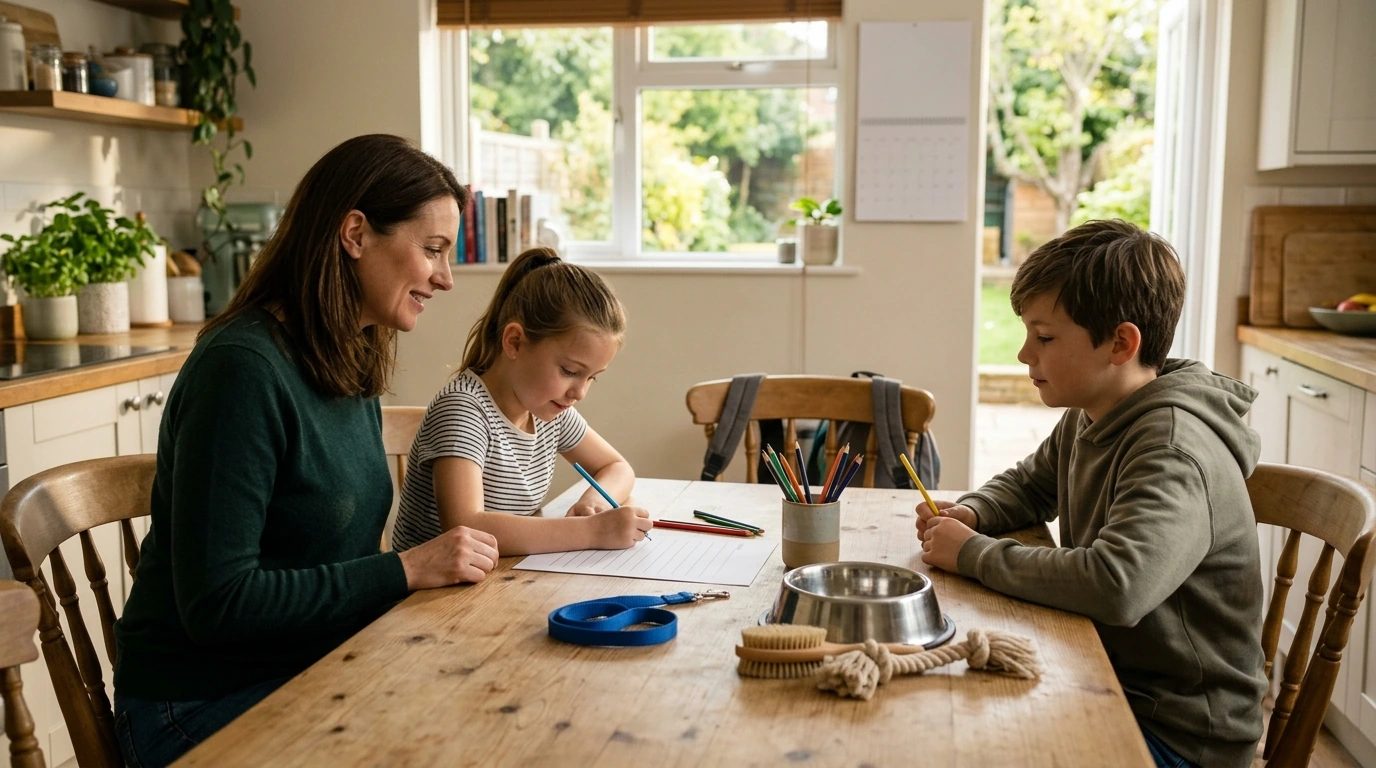
Perfect Pet Picker Checklist for Kids and Families (Digital Download): A Calm Way to Choose the Right Pet
Choosing a family pet is exciting, but mismatches happen when energy level, space, allergies, time, and budget aren’t considered up front. A simple checklist makes the decision feel clear and fair—especially for kids—by turning “want” into a realistic plan for daily care, long-term costs, and your household routine.
What Makes a “Good Family Pet” Depends on Your Household
A “good family pet” isn’t a popularity contest—it’s a lifestyle match. The same pet that feels easy for one family can feel overwhelming for another, depending on how your days actually run.
- Lifestyle fit beats trends: Consider your family’s natural pace and routines, not what friends have or what looks cutest online.
- Household variables change everything: School/work schedules, housing rules, yard access, noise tolerance, travel frequency, and whether an adult can reliably oversee daily care all affect the best choice.
- Kid readiness is different from kid excitement: The strongest matches include predictable routines and age-appropriate tasks kids can do consistently.
- Think lifespan, not just “right now”: Moves, new babies, sports seasons, and changing work schedules can all shift what care you can realistically provide over time.
If you want a credible starting point for pet selection basics, the American Veterinary Medical Association (AVMA) guidance on choosing a pet is a helpful overview.
Use the Checklist to Turn Wishes Into Decisions Kids Can Understand
Kids often picture the fun parts—cuddles, playtime, and naming the pet. A checklist turns that excitement into a concrete plan that answers: “What does a normal Tuesday look like with this animal?”
- Start with a family conversation: List what everyone hopes for (cuddly, playful, low-noise, easy cleanup) and what everyone can commit to (time, money, chores).
- Set non-negotiables first: Allergies/asthma concerns, landlord restrictions, bite-risk tolerance, and maximum daily time available should come before browsing pets.
- Assign roles clearly: Decide which adult is ultimately responsible for feeding, vet appointments, and emergency decisions, and which kid tasks are truly reliable.
- Score options honestly: If a pet needs two long walks daily, that may clash with a packed after-school calendar—even if it’s a “dream pet.”
- Update after learning specifics: Once you research a species or breed, revisit the checklist and adjust scores based on real care requirements.
For a ready-to-print tool that makes this process easier for kids, see the Perfect Pet Picker Checklist for Kids and Families (digital download).
Quick Comparison: Common Pet Options and What They Require
A comparison grid helps you stay grounded before anyone gets attached to a specific pet. It also keeps you focused on your busiest weeks, not the easiest weeks—because pets still need consistent care during tests, deadlines, and hectic seasons.
| Pet type | Daily time | Space needs | Kid-friendly supervision level | Typical ongoing costs | Notes |
|---|---|---|---|---|---|
| Fish (freshwater) | Low–Moderate | Small | Moderate (water quality managed by adult) | Low–Moderate | Maintenance is mostly on setup and consistent tank care |
| Hamster/gerbil | Low | Small | High (gentle handling, escape-proofing) | Low | Nocturnal activity can be noisy at night |
| Guinea pig | Moderate | Medium | Moderate (gentle handling, daily hay/cleaning) | Moderate | Social animal; often happier with a companion |
| Cat | Low–Moderate | Small–Medium | Moderate (boundaries, litter hygiene) | Moderate | Great for many homes; scratching and allergy planning important |
| Small/medium dog | High | Medium–Large | High (training, exercise, supervision) | Moderate–High | Daily walks/training are non-optional; consider daycare/travel plans |
For general care expectations across species, the ASPCA pet care guides can help you sanity-check what “everyday care” really looks like.
Kid Responsibilities That Actually Work (By Age Range)
The most sustainable plan is one where kids participate and learn, but adults remain accountable. That’s how you protect the pet’s well-being even when motivation fades.
Budget, Allergies, and Safety: The Three Deal-Breaker Areas
For everyday family safety habits (especially around hygiene), the CDC Healthy Pets, Healthy People resources are a practical reference.
How the Digital Download Helps the Whole Family Stay Aligned
Get the printable tool here: Perfect Pet Picker Checklist for Kids and Families | Digital Download.
A Simple “Practice Week” Before Getting a Pet
If you want a simple stand-in for the rehearsal, the Cute Kawaii Lion Plush Toy for a practice week routine is an easy way to make the “care routine” feel real for younger kids—without the stakes.
FAQ
What if kids promise to help but stop after a few weeks?
Set adult accountability from day one: an adult is always the backstop for feeding, cleaning, and medical care. Assign kids only the tasks that fit their age and consistency, and keep a minimum daily routine with backup roles so care never depends on motivation alone.
Is there a truly low-maintenance pet for families?
Every pet needs consistent care; “low maintenance” usually means the time is spent differently (habitat cleaning and setup versus exercise and training). Use a comparison grid and a one-week rehearsal to find the option that fits your busiest days.
How can a family choose a pet when someone has allergies?
Start by treating allergies as a non-negotiable and consult a healthcare professional when needed. Then consider triggers beyond fur—like litter dust, hay, or bedding—and commit to cleaning routines that reduce exposure.
Recommended for you


10-Minute Pre-Sleep Stretch Routine for Better Sleep
Aug 28, 2026
Match the Right Pet to Your Family Schedule & Energy
Aug 29, 2026














Leave a comment